
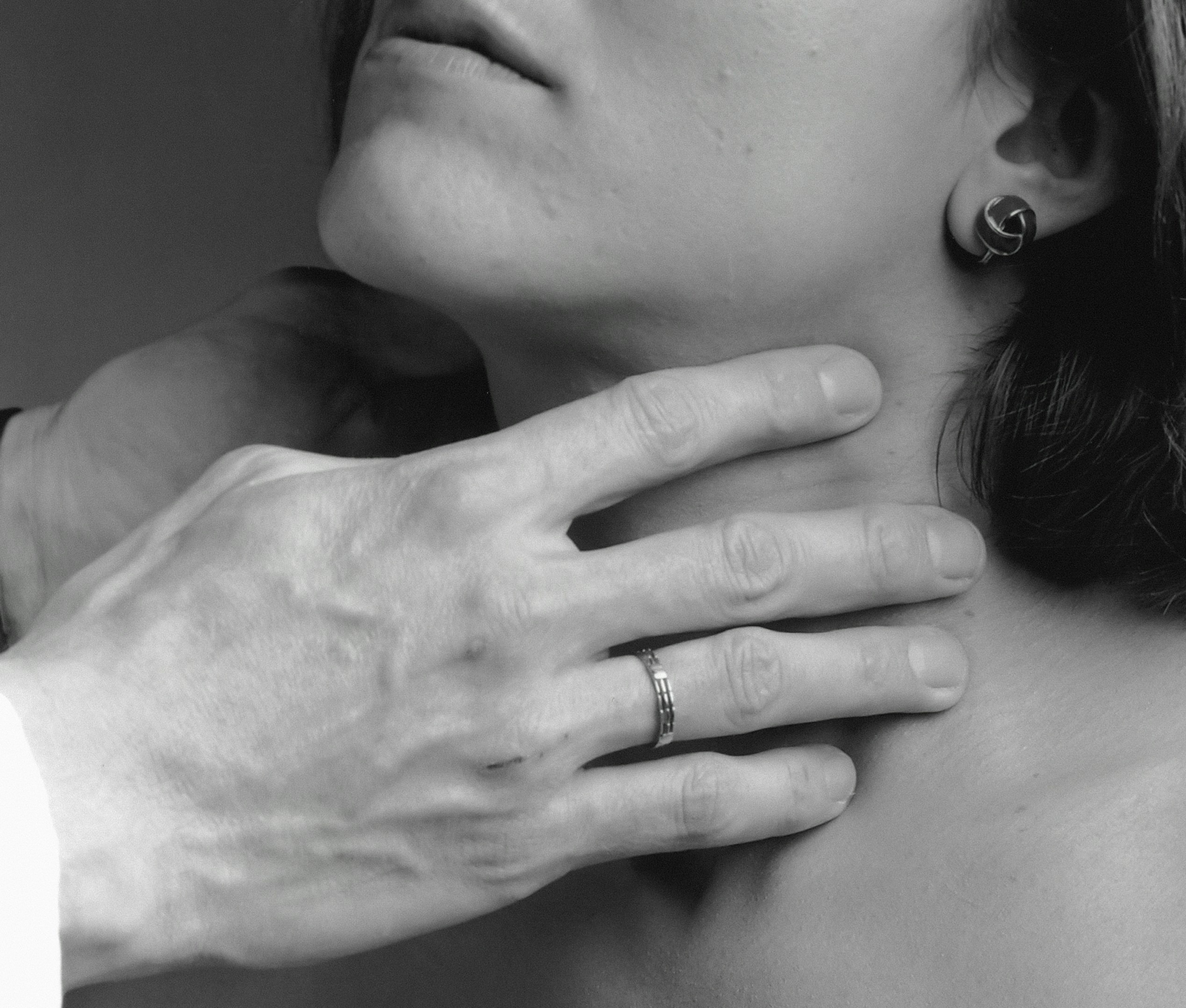
Thyroid disorders, particularly hypothyroidism, occur at markedly elevated rates in lipedema patients compared to the general population, with prevalence estimates ranging from 24% to 36% across multiple cohorts.
Prevalence Data
In a German cohort of 209 lipedema patients who underwent liposuction, hypothyroidism was present in 35.9% of patients—a frequency far beyond the average prevalence in the general German population.[1] Similarly, an Italian study of 360 lipedema patients found higher prevalence of chronic autoimmune thyroiditis compared to the general population.[2] A Swiss cohort reported thyroid disorders in 24.4% of lipedema patients, while another German study confirmed hypothyroidism as one of the most common comorbidities, with prevalence markedly increased relative to non-lipedema populations.[3-4]
Clinical Significance
The association between lipedema and thyroid dysfunction appears particularly notable given that lipedema patients demonstrate an otherwise favorable metabolic profile. Despite commonly elevated BMI (median 31.6 kg/m²), these patients show unexpectedly low rates of diabetes (1-5%) and dyslipidemia (i.e. high cholesterol) (7%), distinguishing lipedema from lifestyle-induced obesity.[1][4]
Potential Mechanisms
The relationship between hypothyroidism and lipedema may be bidirectional. Lipedema-associated obesity could contribute to thyroid dysfunction, though the specific pathophysiological link remains unclear.[1] Conversely, some evidence suggests hypertriglyceridemia—which can occur in hypothyroidism—may be associated with increased risk for subclinical hypothyroidism through lipotoxic mechanisms, though this relationship has not been specifically studied in lipedema populations.[5]
The high prevalence of autoimmune thyroiditis specifically suggests potential shared immunologic or hormonal mechanisms, given lipedema’s strong hormonal associations and female predominance.[2][6]
What Patients Should Know
Did you know there are actually quite a few tests for thyroid function and most are not routine? Many people will get tested for TSH (thyroid-stimulating hormone) on routine blood work, however this doesn’t show the whole picture. Tests like free T4, free T3, thyroid peroxidase antibodies, thyroglobulin antibodies, and other tests can often be helpful when there is clinical suspicion of a thyroid disorder but TSH is normal.
Properly identifying and treating thyroid disorders in patients with lipedema is critical for fully addressing many of the signs and symptoms experienced in lipedema like difficulty losing weight, pain, edema, and fatigue.
Sources
- New Insights on Lipedema: The Enigmatic Disease of the Peripheral Fat. Bauer AT, von Lukowicz D, Lossagk K, et al. Plastic and Reconstructive Surgery. 2019;144(6):1475-1484. doi:10.1097/PRS.0000000000006280
- Observational Study on a Large Italian Population With Lipedema: Biochemical and Hormonal Profile, Anatomical and Clinical Evaluation, Self-Reported History. Patton L, Ricolfi L, Bortolon M, et al. International Journal of Molecular Sciences. 2024;25(3):1599. doi:10.3390/ijms25031599.
- Lipedema and Hypermobility Spectrum Disorders Sharing Pathophysiology: A Cross-Sectional Observational Study. Fiengo E, Sbarbati A. Journal of Clinical Medicine. 2025;14(20):7195. doi:10.3390/jcm14207195.
- Disease Progression and Comorbidities in Lipedema Patients: A 10-Year Retrospective Analysis. Ghods M, Georgiou I, Schmidt J, Kruppa P. Dermatologic Therapy. 2020;33(6):e14534. doi:10.1111/dth.14534.
- Lipotoxicity, a Potential Risk Factor for the Increasing Prevalence of Subclinical Hypothyroidism?. Zhao M, Tang X, Yang T, et al. The Journal of Clinical Endocrinology and Metabolism. 2015;100(5):1887-94. doi:10.1210/jc.2014-3987.
- Pathophysiological Dilemmas of Lipedema. Szél E, Kemény L, Groma G, Szolnoky G. Medical Hypotheses. 2014;83(5):599-606. doi:10.1016/j.mehy.2014.08.011.